
Landscape design planning
Garden ideas organized before your landscape design begins
The planning page focuses on garden layout, existing features, planting preferences, outdoor zones, materials, and the atmosphere you want to create.
Landscape design checklist
Details to include in a garden design request
These notes help organize the design direction, planting ideas, spatial planning, and practical features of your outdoor space.
| Design detail | What to describe | Why it matters |
|---|---|---|
| Garden layout | Garden size, shape, existing zones, pathways, entrances, slopes, or areas you would like to transform. | Creates a clear foundation for planning the overall landscape composition. |
| Existing features | Trees, shrubs, fences, walls, patios, terraces, water features, structures, or established planting. | Existing elements can become important parts of a cohesive garden design. |
| Planting preferences | Favorite plants, colors, textures, seasonal interest, evergreen planting, flowers, trees, or ornamental grasses. | Helps develop planting combinations that reflect your preferred garden atmosphere. |
| Outdoor living | Seating, dining, entertaining, relaxation areas, pathways, garden lighting, or spaces for everyday activities. | Connects the landscape layout with the way the garden will actually be used. |
| Inspiration | Preferred design style, garden references, natural materials, architectural details, or visual examples. | Helps define the visual character and overall direction of the concept. |
| Practical considerations | Access, maintenance preferences, privacy needs, existing views, storage, drainage, or areas requiring special attention. | Ensures the design considers everyday practicality alongside visual appeal. |
Landscape design planning process
Share your garden ideas
Start with the garden layout, existing features, preferred style, planting ideas, and the atmosphere you want to create.
Describe how you use the space
Add details about seating, dining, entertaining, relaxation, pathways, children’s areas, pets, or other outdoor activities.
Explore the design direction
The design discussion can then focus on planting structure, garden zones, materials, circulation, textures, and visual balance.
Develop the landscape concept
The submitted information provides a practical starting point for shaping a landscape concept around the character of your outdoor space.
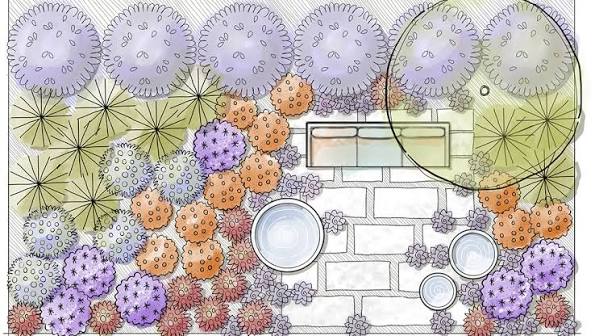
Before starting a design
Write down what you love about the garden and what you want to change
Clear notes make the design conversation more useful: garden dimensions, existing planting, preferred atmosphere, outdoor activities, and features you would like to keep or introduce.
- Share garden measurements and photos when available.
- Keep existing trees, structures, views, and access points in your notes.
- Include planting preferences, inspiration, and practical maintenance considerations.
Ready to describe your landscape vision?
Use the contact form and share your garden details, preferred design style, planting ideas, and outdoor living goals.